
Insights · Charging an imported EV
Where will you charge a used EV imported from China?
You have found a car that suits your stock. Before taking the inquiry further, work out where its next owner will charge it. The answer needs a location and equipment that work with that particular vehicle.
Think about where the car will spend an ordinary night. At home? Outside a shop? In a shared car park? For a dealer buying for resale, a charger at the receiving yard answers only part of the question. The customer needs somewhere to charge during everyday use, and that location belongs in the discussion while you are still comparing cars.
A place you can actually use
At private premises, permission to install equipment comes first. Once the property owner has agreed, a qualified local installer needs to assess the electrical supply and proposed equipment together, taking account of any conditions the owner has set for the installation. A photograph of a wall socket cannot settle those questions. The U.S. Department of Energy’s charging procurement and installation guide is a useful planning reference; local installation requirements must still be checked where the car will operate.
If you expect to use a public station, contact its operator. Find out whether it is working now and which vehicles it supports. Check how drivers gain access, including any account requirements, and whether the opening hours suit the customer’s routine. A station on the other side of town may be awkward even when it is technically compatible. A station still being planned leaves you waiting for something that is not yet available.
The model name leaves a question open
Once you have a charging location in mind, compare its equipment with the actual car. Ask the supplier for a clear photograph of the open charge port and the owner’s manual for that market version. Keep the photographs with the stock reference so they do not get mixed up with another vehicle’s records.
Tesla’s CCS Combo 1 adapter manual gives a specific example. It says the adapter is for Tesla vehicles capable of Combo 1 DC charging, and that not all Tesla vehicles have CCS charging capability. It also notes that some CCS 1 stations may be incompatible. This manual describes that adapter and its supported use; it does not establish which adapter, if any, another imported car needs.
AC and DC charging need separate answers. Give the equipment details to the manufacturer or a qualified local provider who can confirm compatibility. If someone proposes an adapter, get its exact model and the documentation supporting that combination. A missing answer should stay on your comparison sheet until it is resolved.
What a charging demonstration shows
A supplier may be able to arrange a charging demonstration. If so, request a dated record identifying the car and the equipment used. The recording should show charging starting and any alerts on the display. A shot of the cable plugged in stops short of showing that a session took place.
A successful demonstration in China gives you evidence about that session on that equipment. Compatibility with the destination charger still needs confirmation. Battery condition is another question again: what to request with a used EV battery-health report.
When the usual charger is unavailable
Ask the operator about outages and equipment faults before the car depends on that site. Find a second confirmed charging location within the intended use area, and keep the operator’s support contact with the vehicle records. If the usual station is unavailable one evening, the driver will need a practical alternative.
The daily route belongs in this conversation too. A dealer ordering several vehicles may be buying for customers with quite different routines, so one charging plan may not suit the whole batch, especially when those customers park and drive in different places. Ask for the range test conditions. A listing’s range figure cannot, by itself, promise the distance a particular customer will cover on a particular trip.
Vehicles in stock right now
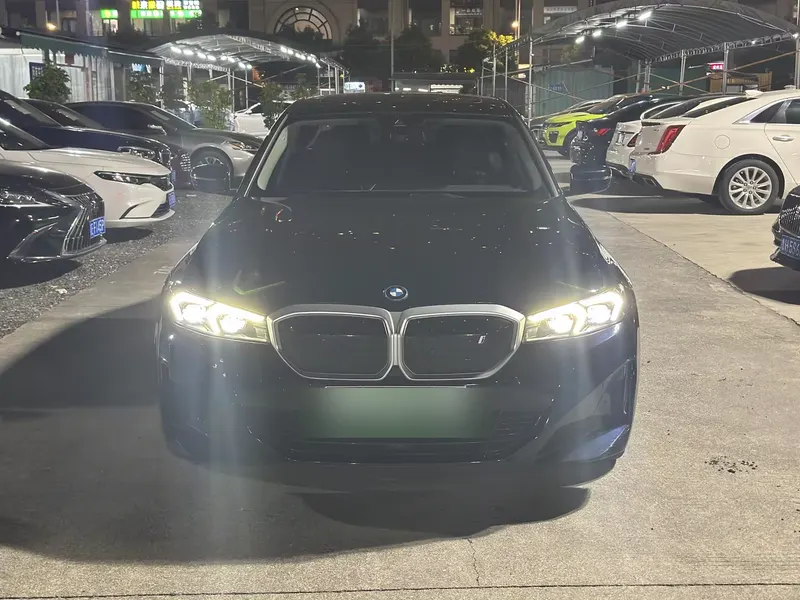
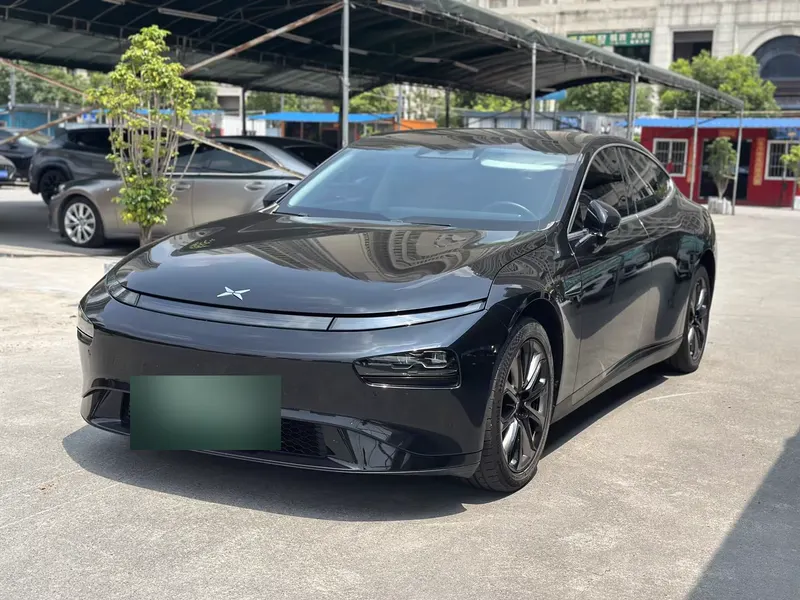
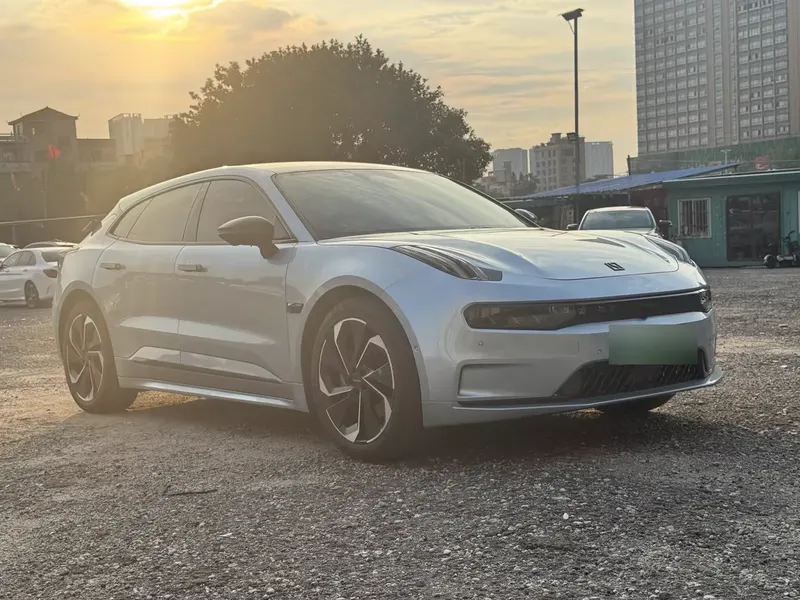
Electric vehicles on the ground in Foshan right now — each photographed on site, with its odometer reading and registration date on the page.
Put the details in your inquiry
When you send a vehicle sourcing request, include the destination city, intended use and usual parking location. Add the charging operator or equipment model if known. Request the exact vehicle’s port photographs and supporting documentation. Mark unknown details as unknown.
BuyCNCar displays supplier-provided vehicle information and receives inquiries; local charging installation and compatibility need their own confirmation. To discuss a listed vehicle, send its stock reference with your charging questions. Request the missing records before deciding whether the car fits your customer’s needs.