
Insights · EV battery reports
Putting the battery in writing before a quotation
A battery document is only useful if it is attached to something enforceable. These are the four places it has to appear between the first inquiry and the contract.
Most buyers ask for a battery report at the wrong moment. They ask after the price, or after the deposit, when the answer can no longer change anything. The document matters at the point where wording gets fixed: the inquiry and the quotation, and then the contract. Get it into those three, and a disappointing battery result becomes a commercial matter with a defined remedy instead of an argument.
Step one: establish that a document exists at all
Before anything is quoted, ask a single question in writing: does a battery test record exist for this vehicle, and if so, what does it contain. The answer will be one of three things, and all three are usable.
- A record exists. Ask for the file itself rather than a summary of it. Check that it names the vehicle, the date and the odometer reading at the time of the test.
- No record exists, and none can be produced. Then the battery is undocumented, and the quotation should say so rather than leaving the question open.
- A test can be arranged, at a cost, by a third party in China. That turns into a decision about who pays for it and what standard it has to meet.
The reply is worth keeping. If a quotation later describes the battery as tested, and the earlier message said no record existed, you have a contradiction on paper. That is much easier to resolve before money moves than afterwards.
Step two: make the quotation state what it covers
Our quotations are written for one case. They state the vehicle price, the stages included, and the stages excluded. They also state the currency and how long the figure holds. That structure is exactly where battery wording belongs. Ask for a line that says which of these is true: a battery test record has been provided and is attached; no battery test record exists for this vehicle; or a test is to be carried out before shipment, by whom, and at whose cost.
Vague wording costs money later. “Battery in good condition” is not a statement anyone can check. A test name, a date and the conditions the test was run under are checkable, and if they are absent from the quotation you have learned something useful about the rest of it.
Step three: if an inspection is agreed, define the standard
A third-party inspection in China before shipment can be arranged, per vehicle, and the report names what was examined. When an inspection is agreed as a condition of your purchase, its standard is written into the contract. That is the sentence that decides whether a battery finding is a breach or just disappointing news.
So do not stop at “inspection included”. The wording should say what the inspector must do about the battery: whether a capacity test is part of the scope, and whether fault codes must be read and reported. It should also say what happens if the pack cannot be tested at all. A test that was attempted and could not be completed is a result too, and it should be recorded as one rather than left as silence in the report.
Step four: know the remedy before you need it
Two contract provisions do the work here. The first is the material-difference clause: if the vehicle differs materially from what the contract states, you choose between a remedy and a refund of the amounts paid for that vehicle. What counts as material is defined in the contract rather than argued about later. A battery that tests far below a figure written into the contract is the kind of difference that clause exists for.
The second is the failure-to-deliver clause: if an inspection agreed as a condition of the contract fails its stated standard, everything you have paid for that vehicle comes back within ten business days, or you take a replacement. Both clauses only work if the battery standard was written down in the first place. If it was not, neither applies, and the conversation becomes a negotiation about goodwill.
The manufacturers’ own paperwork sets the bar
Two public documents are worth reading before you agree a battery standard, because they show how specific a real test procedure is. A Volkswagen technical service bulletin hosted by NHTSA lists three test plans for determining remaining capacity, with different outputs and tolerances, and states that the bulletin does not apply when relevant fault codes are present in the battery management module. A Stellantis recall notice published by NHTSA sets conditions on the car before its battery integrity procedure can start, including a charge window of 50 to 80 per cent.
Neither document governs your purchase, and neither tells you what a given used car is worth. They are useful for one reason: they show that a battery figure without its method, its date and the state of the car at the time is not a specification, it is a sentence. If you want the battery treated as a condition of the contract, it has to be written the way those documents write it.
Claims we will not make
We will not describe a battery as healthy or as new. Nor will we describe it as within a percentage of its original capacity unless a document establishes that. We will not say a vehicle has been inspected unless an inspection has been carried out. Where something has not been established, that is what you will be told. Vehicle details on this site are transcribed from the supplying dealer’s listing and each page states its source and transcription date, so nothing here should be read as our own test of a car.
What we can do is ask the supplying dealer what exists. We pass on what arrives, and we write the result into the quotation and the contract so that it means something. That is the whole point of putting it in writing before a quotation instead of after.
The clauses referred to here are set out in full on our terms page, which governs any purchase and overrides anything written on this site. If you want to know how we handle the details you send us, the privacy policy covers that. To ask what battery documents exist for a specific vehicle, send the vehicle and destination in a sourcing request.
Where these sources come from
- 93-23-08: Determination of HV-Battery Health, Remaining Capacity — Volkswagen technical service bulletin hosted by NHTSA. Applies only to the model years listed in the bulletin. Accessed 8 October 2026.
- Recall 23V-787, battery integrity procedure — Stellantis, hosted by NHTSA. The charge window and other preconditions are stated in its procedure section. Accessed 8 October 2026.
Where to go next
- Read what a battery diagnostic record does and does not prove — the difference between a scan report and a capacity test.
- Compare two battery reports on equal terms — the fields a report needs before a figure means anything.
- Send a sourcing request naming the battery documents you want asked about — a colleague replies with what exists for that vehicle.
Vehicles in stock right now
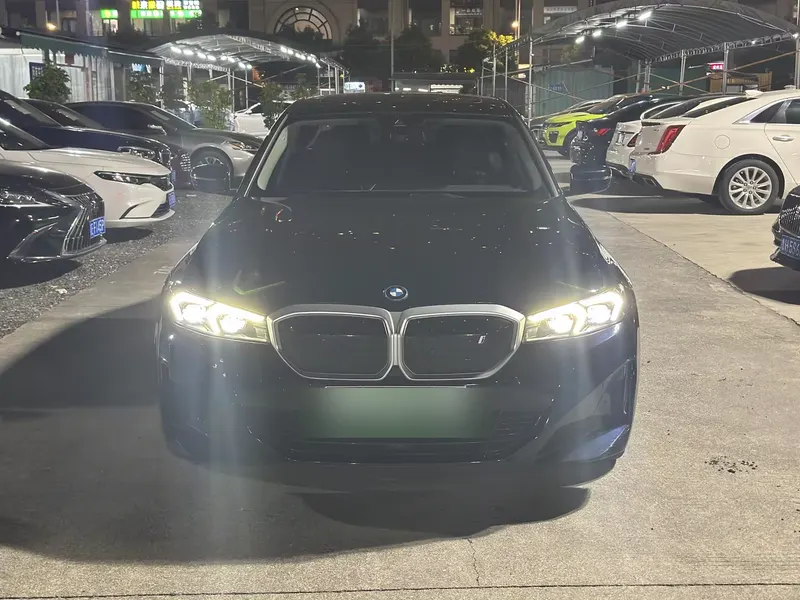
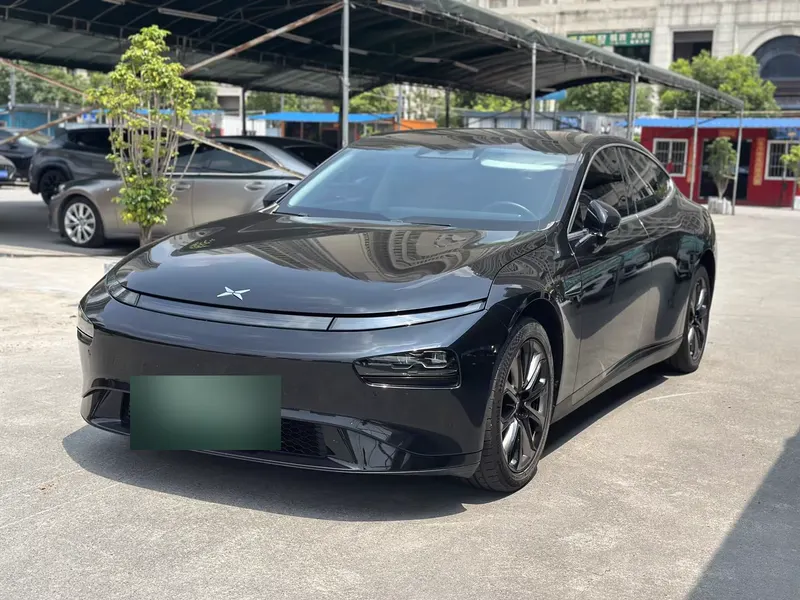
Electric vehicles on the ground in Foshan right now — each photographed on site, with its odometer reading and registration date on the page.

Ask for the battery wording before the price
Send the vehicle reference or model and the destination country, and say whether you want the battery treated as a condition of the purchase. A colleague can ask the supplying dealer what documents exist and put the answer in writing.
We use what you send only to answer your inquiry, never for marketing. How we handle your details.