
Insights · payment and paperwork
Paying a deposit on a car you have not seen
A deposit is not a sign of good faith and it is not a fee for looking. Its only job is to hold one specific vehicle that could otherwise be sold this afternoon. That is a narrow job, and it works only when four things match on paper before the money leaves your account.
Most first-time importers meet the deposit at the same moment: a car has been found, photographs have been sent, a figure for the vehicle has been named, and someone asks for money to take it off the market. The request itself is ordinary. What decides whether it is a reasonable step or an expensive one is what you are holding at the moment you agree to it.
What a deposit is for
A deposit buys two things and nothing else: time, and exclusivity. It is normally set against the vehicle figure and deducted from the balance, so it is not a separate charge and it is not a payment for the car itself. Because it is committed on your behalf to hold one named vehicle, it does not behave like a payment you can simply take back — which is the whole reason the paperwork has to be right before it moves, not after.
Four things that should match before the money moves
Three of these are usually checked. The fourth is the one that gets skipped, and it is the one that cannot be undone.
- The seller’s legal name. The entity named in the contract is the entity you are paying. If a quotation carries one company name and the invoice carries another, that is a question to settle, not a detail to absorb.
- The vehicle. One specific car: the stock reference the supplying dealer uses, and the VIN where it is available. “A 2019 Corolla” is a model, not a vehicle, and a model cannot be held for you.
- The amount, and what it is set against. How much, in which currency, and whether it is deducted from the vehicle figure or from something else. It belongs in the contract, not only in a message.
- The bank account. The account must be the one written in the contract. An account number that appears for the first time in an email or a chat message is a stop sign, however plausible the explanation around it sounds.
If the beneficiary name differs from the seller, or new account details arrive after the paperwork is agreed, check the recipient and confirm the account change before making a transfer.
The order the money should move in
In a normal export, money moves twice: a deposit to hold the vehicle, and the balance against the documents that release it. Everything before the deposit is paperwork, and paperwork costs nothing.
-
Stage 1
Request — no money
You name the destination, the model and the quantity. What you should have afterwards: a written offer that names a specific vehicle and its stock reference, rather than a model in general.
-
Stage 2
Contract — no money
The seller’s entity, the vehicle, the amount, the account and the trade term are written down. What you should have: a contract you can read in full, not a summary of one.
-
Stage 3
Deposit — the money moves here
Paid by transfer to the account named in the contract. What you should have: the contract agreed, and the account confirmed on a channel you already knew before this deal started.
-
Stage 4
Balance against documents
Paid when the documents that release the vehicle are presented. What you should have: the documents named in the contract, checked against the contract rather than against a description of them.
Why a transfer is not like a card payment
A bank transfer you authorised is not reversible the way a card payment is. There is no chargeback to fall back on, and a recall request depends on the receiving bank and on the money still being where it was sent. That asymmetry is the entire reason the checking happens before the payment rather than after it — and it is also why the deposit conversation should be a paperwork conversation. If the paperwork is thin, the deposit is early.
When risk passes, and why it matters here
Under the trade term in your contract, risk usually passes at shipment rather than at arrival. The Incoterms rules published by the International Chamber of Commerce are what decide that, and your contract should name the rule that applies to your shipment. It is worth knowing before you pay, because it tells you what insurance is actually covering and who carries the loss if something happens while the car is in the water.
When a deposit should come back
The sales contract governs your particular order, and the full position we start from is set out on the terms page. In short: cancel before paying anything and nothing is owed by either side; cancel after a deposit has been committed to hold the vehicle and the deposit is not refundable, unless the vehicle can be released and is then sold at the same figure; if we cannot deliver, everything paid for that vehicle comes back within 10 business days or is replaced; if the vehicle differs materially from the contract you may choose a remedy or a refund; and if neither side can perform for more than 60 days, either side may cancel and amounts paid are refunded less costs already incurred and evidenced. Refunds are made to the account the payment came from.
What to put in writing before you send anything
Seven questions, all of which have a written answer:
- Which company is the seller under the contract, and does that same name appear on the invoice?
- Which stock reference and VIN is this deposit holding?
- How much is it, in which currency, and is it deducted from the vehicle figure?
- Which bank account, and is that account written in the contract?
- Which trade term applies, and at what point does risk pass to you?
- Which documents release the balance, and who issues each one?
- If the vehicle is withdrawn by its owner before shipment, what happens to the deposit?
None of this is unusual paperwork for a cross-border purchase. It is close to what a domestic dealer would answer without thinking. The difference is that you are asking at a distance, in writing, before the money moves — and that the answers are worth more than the reassurance.
Send the destination, the model and one way to reach you and a colleague answers in writing, including the parts we do not yet know.
Where to go next
- The terms we trade on — payment, the five cancellation and refund situations, and who carries which risk.
- What we check, and what we do not claim — the four things this site deliberately does not say about a vehicle.
- How to read a dealer listing from China — the fields to compare before a vehicle is worth holding.
- What photographs can and cannot tell you — what nine on-site pictures establish, and the three questions they leave open.
Vehicles in stock right now
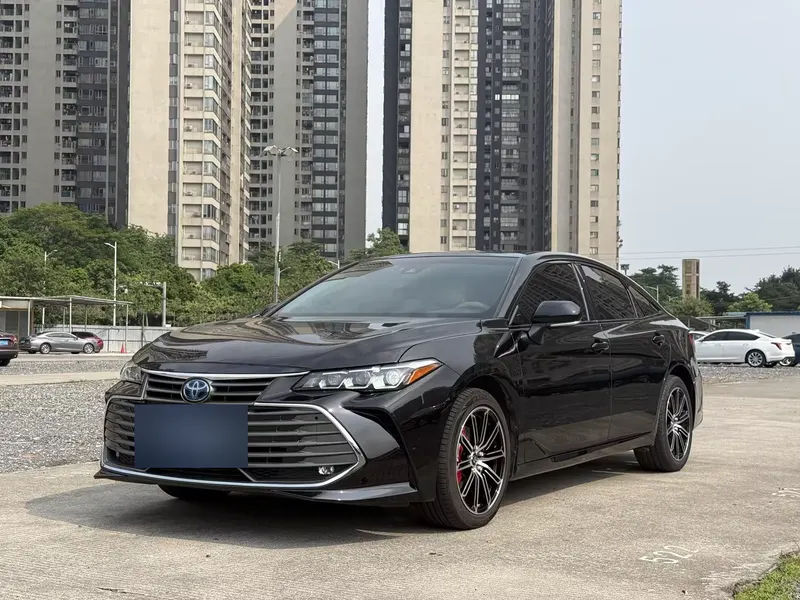
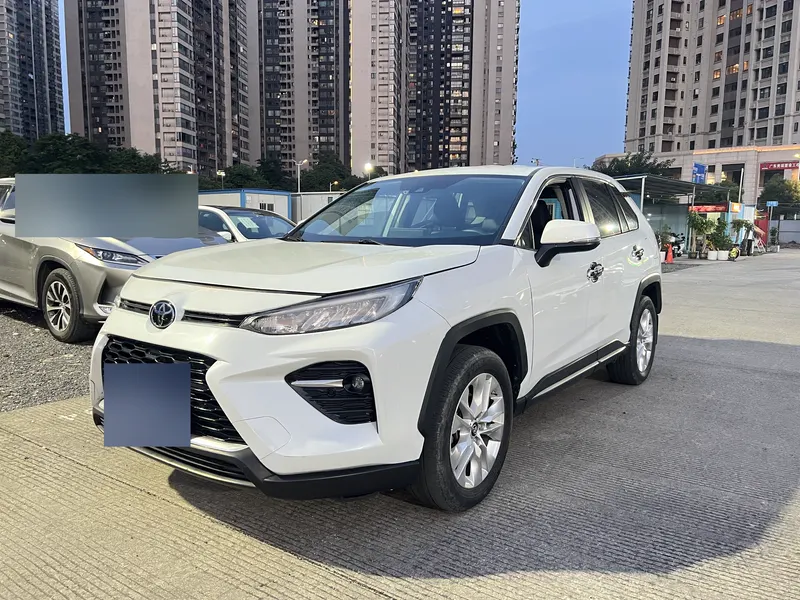
A cross-section of what is on the ground in Foshan right now — each photographed on site, with its odometer reading and registration date on its page.

Ask before you send anything
Tell us the destination country, the vehicle you have in mind and one way to reach you. A colleague replies with a written answer and the basis behind it.
We use what you send only to answer your inquiry, never for marketing. How we handle your details.