
Insights · reading a listing
How to read a used-car listing from a Chinese dealer
A listing from a Chinese dealer is short and factual, and almost every field in it changes what the car will cost you to import. This is what each one means, and which ones to treat as open questions.
Domestic listings in China are written for domestic buyers, so they carry the fields that matter inside China and skip the ones that matter at a border. Reading them properly means knowing which is which.
Odometer reading
Given in kilometres, as a round number, because it is transcribed from the instrument rather than measured. Treat it as a claim about the car, not a verified fact. A car that has covered a very high distance in a short time has usually been doing commercial work — but the listing will not say so, and neither will we. Read the number against the registration date and draw your own conclusion.
First registration date
This is the single most consequential field for an import, because age limits are usually applied against first registration rather than model year. A “2024 model” first registered in September 2024 and one first registered in December 2024 are the same car to a dealer and different cars to a customs officer counting months.
We do not publish age thresholds, because they are national rules that change. What we can tell you is the registration month, precisely, so your agent can apply whatever rule is current in your country.
Energy type, battery and range
For electric and plug-in cars the listing states the energy type, the battery chemistry, and a range figure. Two cautions. First, the range is a homologation figure under a test cycle, not a motorway range with the air conditioning on. Second, the battery chemistry matters more than the headline range when a car is a few years old — lithium iron phosphate packs and ternary packs age differently, and the listing will not tell you the state of health.
For petrol and hybrid cars the equivalent fields are displacement, gearbox and, where stated, a combined fuel consumption figure under the Chinese test cycle. Again: a laboratory number.
Drive type and motor layout
Front-wheel drive, rear-wheel drive or all-wheel drive; single or dual motor. This matters for two reasons beyond driving feel. All-wheel-drive cars are heavier and cost more to ship. And in some markets the drive layout is not a preference but a legal requirement. Check which hand of drive your country requires before you fall in love with a car.
Colour, body style and seats
Straightforward, and worth checking against the photographs rather than assuming. Seat count and body style are not cosmetic details at a border: they feed into vehicle classification under the Harmonized System maintained by the World Customs Organization, and classification is what your duty is calculated on.
Location
Where the car physically is. In our case, Foshan in Guangdong. This is not a detail: it determines the inland leg to the port and therefore part of the freight cost.
What a Chinese listing will not tell you
Three things are routinely absent, and their absence is not evidence of a problem: it is evidence that the domestic listing does not ask the question.
- Accident and repair history. Domestic platforms carry their own inspection reports, but a listing handed to an exporter often does not include one.
- Number of previous owners. Rarely stated.
- Chassis number. Withheld until there is a serious buyer, which is normal practice in the trade.
If any of these matter to your decision — and for a fleet purchase they usually do — ask, and we will go back to the supplying dealer for an answer. Where an inspection can be arranged before shipment, it is arranged and the findings recorded per vehicle rather than asserted as a general claim.
How to use the fields together
Read the odometer against the registration date, the drive layout against your country’s requirement, and the seat count against your tariff schedule. Those three cross-checks catch most of the expensive surprises. Then treat everything else as a starting point for a conversation rather than a specification. Two of the gaps come up often enough to have their own guides: what photographs cannot tell you about condition, and what a battery diagnostic record does and does not establish on an electric car.
Where to go next
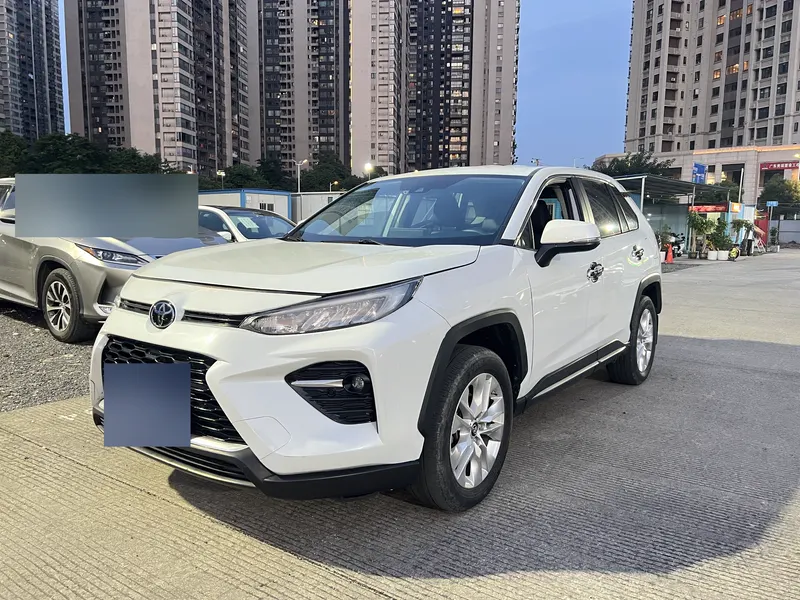
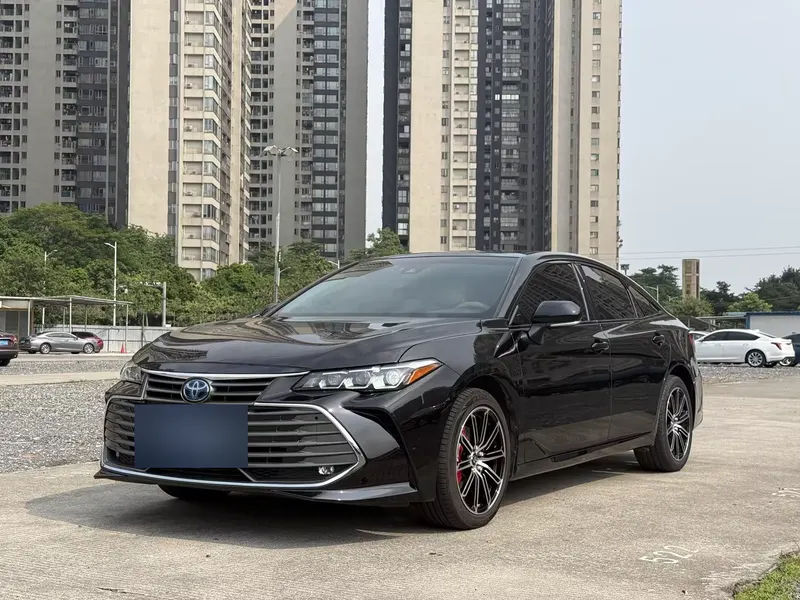
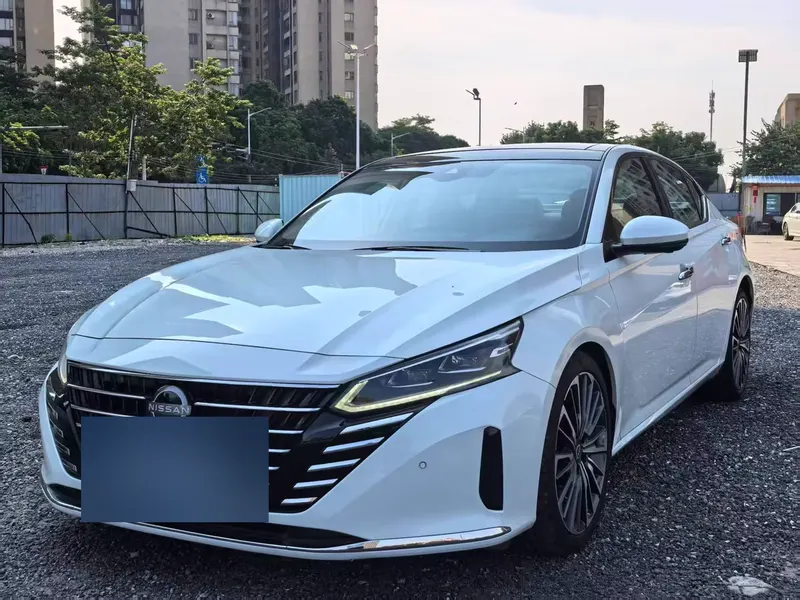
- Browse the vehicles we currently hold in Foshan — every listing states these fields, and each car has nine on-site photographs.
- Why a used car from China has no single price — the stages between the yard and your registration, and who sets each one.
- Send a sourcing request — if the model or year range you want is not in stock.
Vehicles in stock right now
A cross-section of what is on the ground in Foshan right now — each photographed on site, with its odometer reading and registration date on its page.

Ask about a specific car
Quote the reference number and tell us the destination country. A colleague replies with the details that are not on the listing, or says plainly that they cannot be obtained.
We use what you send only to answer your inquiry, never for marketing. How we handle your details.