
Insights · condition
What photographs can and cannot tell you about a used car
Nine clear photographs of a car will answer questions that a paragraph of adjectives never will. They will also leave three questions wide open. Knowing which is which is what stops a long-distance purchase going wrong.
Buying a car you have not stood next to is normal in this trade, and it is not reckless as long as you are clear about what the pictures are evidence of. A photograph is a record of appearance at a moment. It is not a mechanical report, and it is not a history.
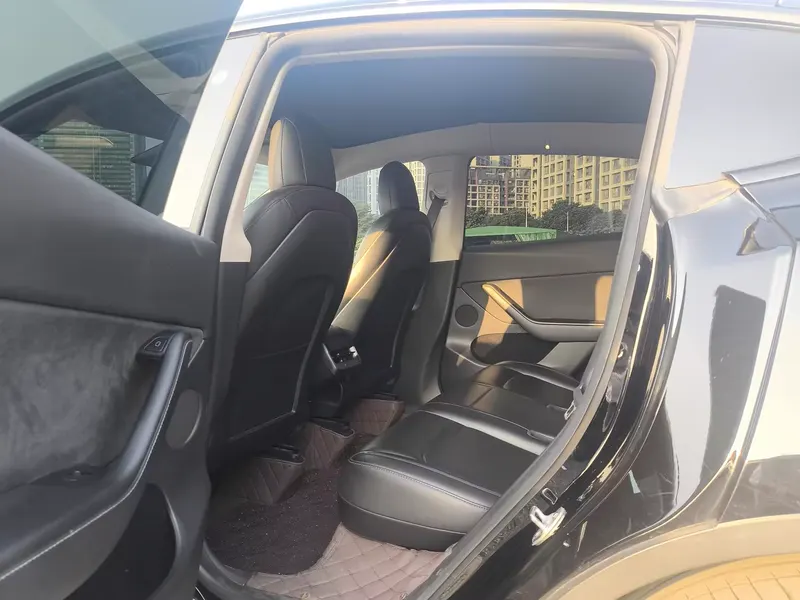
What photographs do establish
- That the car exists and is where it is claimed to be. A yard with other stock in the background, consistent lighting and framing across the whole set, and the same car in every frame are hard to assemble for a car that is not there.
- Panel alignment and obvious damage. Gaps between panels, mismatched paint, a door sitting proud of its neighbour — visible to anyone who looks carefully at a three-quarter view.
- Tyre and wheel condition. Brand, tread depth and kerb damage are readable from a close photograph, and they are a useful proxy for how the car has been treated.
- Interior wear against the odometer. This is the most useful cross-check available from pictures alone. A pedal rubbers, a driver’s seat bolster and a steering wheel all wear at a rate roughly proportional to use. A car showing 60,000 km with a collapsed seat bolster and a polished-through wheel is telling you something.
- Whether the specification is what was advertised. Seats, screens, sunroof, upholstery — the listing says it, the photograph either confirms it or does not.
What photographs do not establish
Three things, and they are the three that cost the most money when they go wrong.
Mechanical condition. No photograph shows compression, a transmission’s behaviour under load, a failing wheel bearing or the state of a battery pack. A car can photograph beautifully and need an engine.
Accident and repair history. Repairs are frequently invisible in a photograph, particularly when done well. A resprayed panel photographed in the evening looks like a panel.
Whether the odometer reading is genuine. Odometer tampering is a recognised problem in used-car markets worldwide, and it is not specific to any one country or one trade route. Some markets maintain official title and odometer registers that a buyer can consult; where such a register covers a vehicle, it is worth using. Where it does not, the reading stays a claim, and the wear visible in the interior photographs is the only cross-check you have.
What to do about the gaps
There are only three honest options, and they are all better than hoping.
Ask for more pictures. Specific ones: the chassis plate, the door-frame label, the instrument cluster with the ignition on, the engine bay, and each corner from low down. Specific requests get specific answers, and a seller who cannot produce them has told you something useful.
Ask for a third-party inspection. In China there are established inspection services that will attend a vehicle and produce a report covering structure, paint depth and mechanical condition. This is a paid service and it is arranged per vehicle. The value is in the report naming what was checked, so you can see the boundary of what was examined.
Price the uncertainty. If neither of the above is possible before you commit, then the correct response is to treat the mechanical condition as unknown and buy accordingly. This matters more than it first appears, because of where risk sits. Under the standard trade terms published by the International Chamber of Commerce — Incoterms — risk normally passes to the buyer at shipment, not at arrival. A mechanical surprise found after the car lands is therefore yours, which is exactly why the uncertainty has to be reflected in what you agree to pay rather than absorbed afterwards. That is a commercial decision, and it is yours to make with your eyes open rather than ours to make for you.
What we will not do
We will not describe a car as accident-free, one-owner or non-commercial when the listing does not say so, and we will not tell you a car has been inspected when it has not. Where something has not been established, the answer you get will be that it has not been established. That is less comfortable than a reassurance, and considerably cheaper than a wrong one.
Where to go next
- See the vehicles we hold in Foshan — nine photographs each, taken on site, with the odometer reading and registration date stated.
- How to read a dealer listing from China — the fields, and which ones to cross-check against the pictures.
- Ask us to arrange an inspection — tell us the reference number and what you want examined.
Vehicles in stock right now
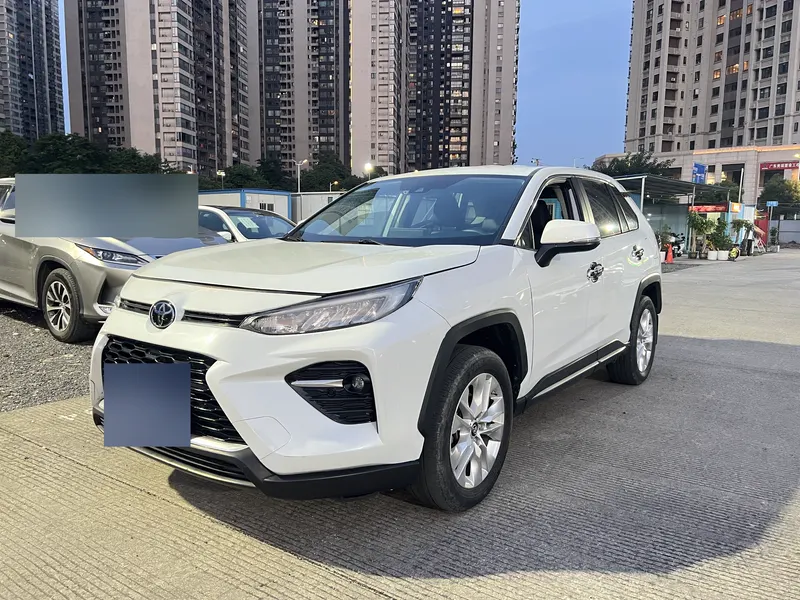
A cross-section of what is on the ground in Foshan right now — each photographed on site, with its odometer reading and registration date on its page.


Ask about a car’s condition
Send the reference number and the questions you want put to the supplying dealer. A colleague replies with the answers, or with a clear statement that they could not be obtained.
We use what you send only to answer your inquiry, never for marketing. How we handle your details.