
Insights · landed cost
Why a used car from China has no single price
Buyers ask for “the price” of a car they have seen in a photograph. The honest answer is that the car has a price, and the import does not — not until the destination is known. Here is what the total is actually made of, and who sets each part.
A listing price in Foshan covers one thing: the vehicle, standing in a yard in Guangdong. Everything that turns that vehicle into a car you can drive in your own country is added afterwards, and most of it is not ours to set. That is the whole reason a written quotation is prepared per case rather than published as a number.
The stages between the yard and your registration
There are nine stages in a normal export, and they do not all belong to the same party:
-
Stage 1
The vehicle itself
Set by the supplying dealer in Foshan, and it moves with the market. This is the only stage we quote as a vehicle figure.
-
Stage 2
Inspection and reconditioning
Optional, and priced by whoever does the work. If you want an inspection before shipment, it is arranged and recorded — what was checked and what was not.
-
Stage 3
Inland transport in China
From the yard to the loading port. Distance and method decide it.
-
Stage 4
Export formalities
Export declaration and the Chinese-side paperwork. Determined by the vehicle’s classification, which is why the HS code matters from the start.
-
Stage 5
Ocean freight
Quoted by the forwarder and it moves weekly. A ro-ro sailing and a container are different products at different prices, and the choice affects how the car is secured and what can travel with it.
-
Stage 6
Insurance
Priced on the declared value and the route. Whether you take it is your decision, but it should be a decision rather than an omission.
-
Stage 7
Duty and taxes at destination
Set by your country’s customs authority, on a valuation basis they determine. This is usually the largest single line after the vehicle, and it is the one we cannot state for you.
-
Stage 8
Port clearance and handling
Terminal charges, agent fees and storage if the paperwork is slow. Your clearing agent sets these.
-
Stage 9
Inland delivery and registration
From the port to you, plus whatever your licensing authority charges to put it on the road.
Why the destination changes the number
Stages 7 and 8 are the reason the same car costs different amounts in two countries, and the reason a quotation prepared for one destination is meaningless for another. Customs valuation practice, the applicable duty rate, and the taxes built on top of it are national decisions. They also change, sometimes with very little notice.
Because of that, we do not publish duty rates or age thresholds. A figure copied from a video or an old forum post is worse than no figure, because it gets used to make a decision. Where a rule matters to your case, it is checked against the official documents and your local agent at the time of quotation, not assumed from a web page.
Where the trade terms sit
Most confusion at this point is really a question about Incoterms — the standard trade terms published by the International Chamber of Commerce that decide who arranges and pays for each leg. Two abbreviations carry most of the weight:
- FOB — the seller delivers the car to the port and loads it. Freight, insurance and everything after that is yours to arrange.
- CIF — the seller also pays freight and insurance to your port. Duty and clearance are still yours.
Neither term includes import duty. Buyers who expect a CIF figure to be a landed figure are usually the ones surprised at the port. Vehicle classification itself follows the Harmonized System maintained by the World Customs Organization, and the ocean leg is governed by the shipping framework set out by the International Maritime Organization.
What we will do instead of publishing a number
Name the destination country and the vehicle, and a colleague prepares a written figure for that combination, with the basis stated line by line so you can see what is ours and what is not. If a number cannot be established yet, we say which stage is missing rather than filling the gap with an estimate.
That is slower than reading a price off a page, and it is the only version that survives contact with a customs officer.
Where to go next
- See every stage the landed cost is made of — the full breakdown, and what moves each line.
- How to read a dealer listing from China — what the fields on a Foshan listing actually mean for an import decision.
- What photographs can and cannot tell you — what nine on-site pictures prove, and the three things they never show.
- Send your requirement — destination, model and quantity is enough to start.
Vehicles in stock right now
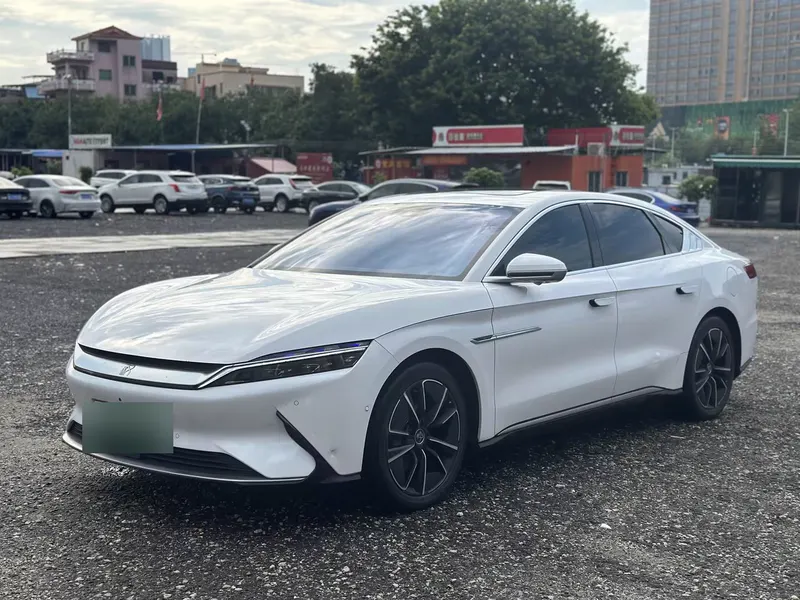
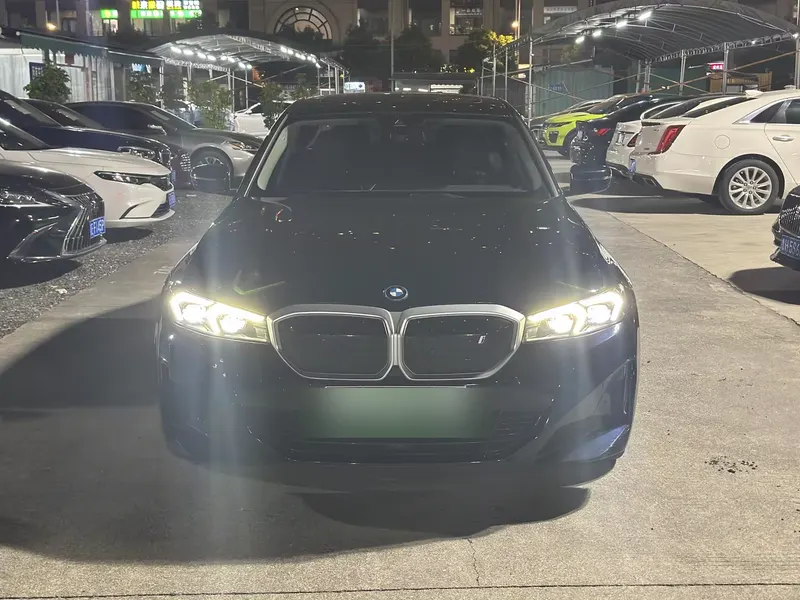
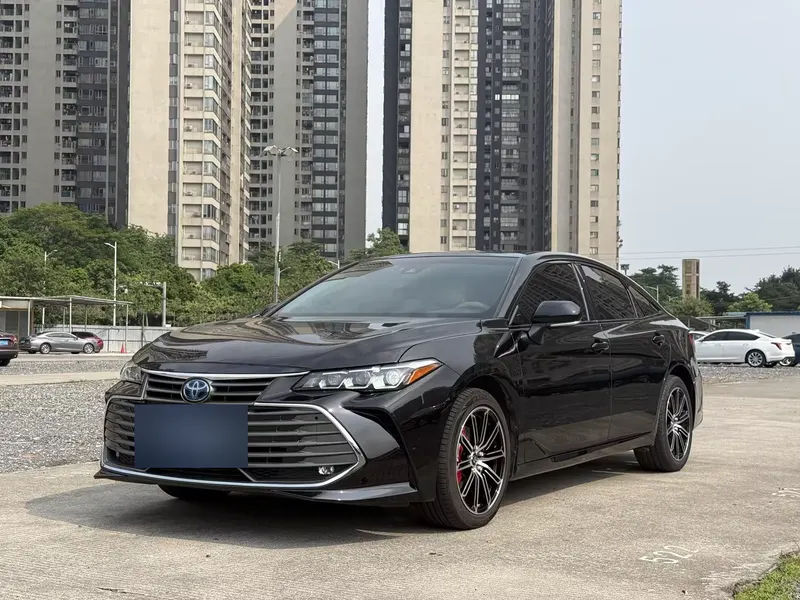
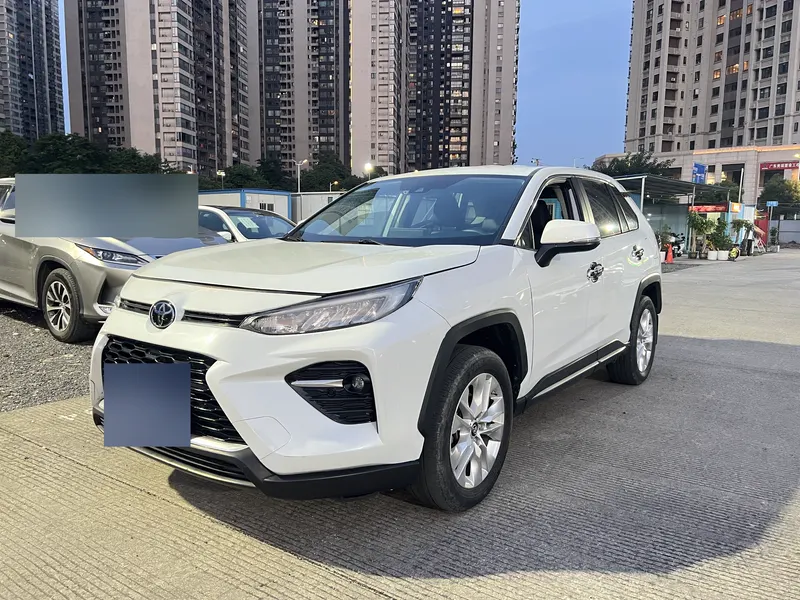
A cross-section of what is on the ground in Foshan right now — each photographed on site, with its odometer reading and registration date on its page.
Ask for a figure for your case
Tell us the destination country, the vehicle you have in mind and one way to reach you. A colleague replies with a written quotation and the basis behind it.
We use what you send only to answer your inquiry, never for marketing. How we handle your details.